
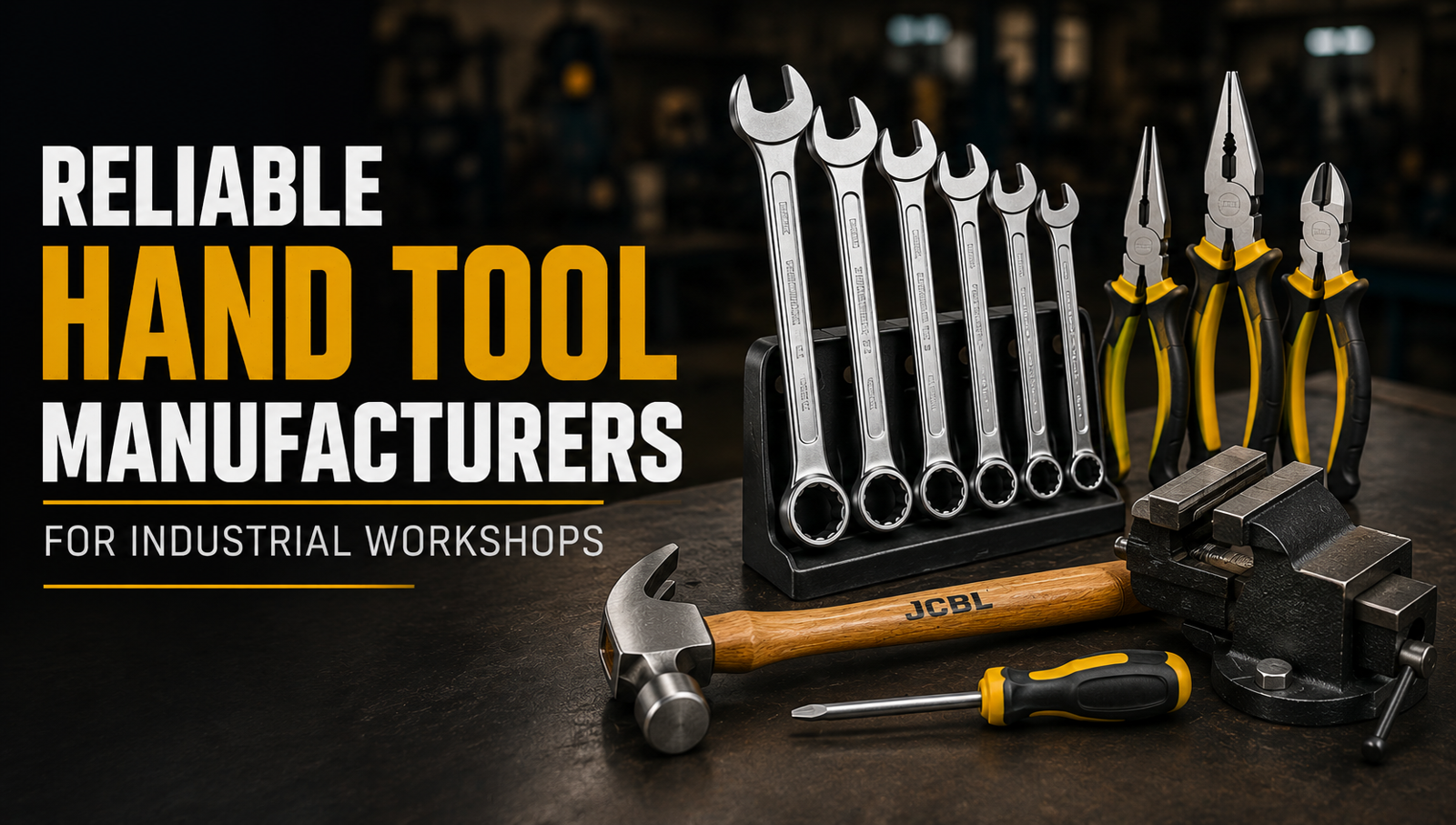
Hand tools are essential across industries such as construction, automotive repair, woodworking, agriculture, and industrial maintenance. Despite the rise of advanced machinery and automated systems, manual tools continue to deliver precision, control, and reliability in everyday tasks. From tightening bolts and cutting materials to shaping wood and preparing soil, hand tools remain fundamental to professional and workshop operations worldwide.
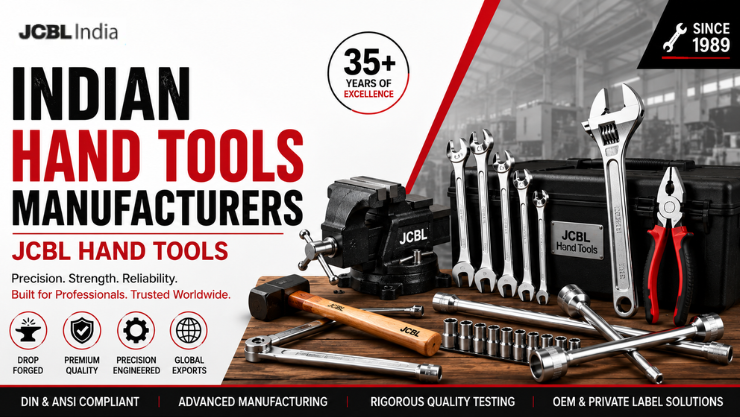
Today, hand tool manufacturers in India are recognized for producing durable, high-performance tools that meet global standards. With strong manufacturing capabilities and export networks, India has also become a trusted worldwide exporter serving distributors and industrial buyers across international markets.
Essential Farming Tools for Modern Agricultural Work
Agriculture is one of the biggest sectors where hand tools are used every single day. Even though tractors and modern machines support large-scale farming, small and medium farmers still depend heavily on manual tools for tasks like soil preparation, planting, pruning, weeding, and harvesting. These tools offer better control, flexibility, and precision in field operations.
Common agricultural tools include hoes, sickles, rakes, hand forks, shovels, and digging tools. Since they are regularly exposed to moisture, mud, and rough ground conditions, they must be made from hardened steel with a proper rust-resistant coating. Each tool plays an important role in supporting different planting cycles and harvesting processes. Cleaning tools after use, drying them properly, and applying light oil before storage can greatly extend their lifespan. With proper care, high-quality agricultural tools can perform efficiently for many years.
Understanding Different Types of Pliers for Professional Use
Pliers are highly versatile gripping tools used across electrical, mechanical, automotive, and industrial applications. They are designed to grip, bend, cut, hold, and twist materials such as wires, cables, and small metal components. Because of their multifunctional design, pliers are considered essential in both professional workshops and home toolkits.
Common variations in pliers include combination pliers, long nose pliers, cutting pliers, locking pliers, and water pump pliers. Each variation is developed for a specific purpose. Long nose pliers are ideal for reaching tight or narrow spaces, while cutting pliers are optimized for clean and precise wire cutting. Locking pliers provide a firm grip for holding objects securely, and water pump pliers are commonly used for plumbing and pipe-related tasks.
Ergonomic handles improve comfort, enhance precision, and reduce hand fatigue during extended use. High-quality pliers are usually manufactured from chrome vanadium steel to ensure superior strength and corrosion resistance. Regular lubrication of the pivot joint and proper storage help maintain smooth performance and extend tool life.
Common Spanner Variations Used in Industrial Applications
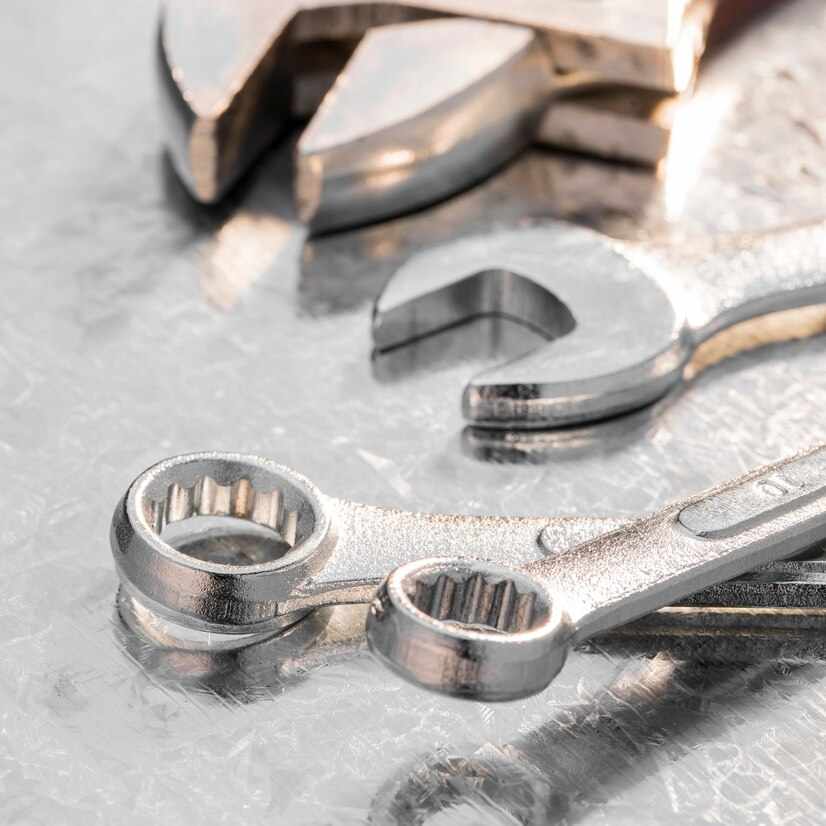
Spanners are fastening tools used to tighten and loosen nuts and bolts in machinery, automotive systems, and construction equipment. They are available in multiple forms, such as open-end spanners, ring spanners, combination spanners, adjustable spanners, and socket wrenches. Choosing the correct one from variant types of spanners ensures efficient torque application without damaging fasteners.
Precision machining ensures correct jaw opening sizes, which improves safety and performance. After heavy use, wiping grease and storing spanners in dry environments prevents corrosion and maintains dimensional accuracy. Correct tool sizing and responsible use extend the working life of fastening tools and reduce workplace risk.
Choosing the Right Hammer for Construction and Carpentry
Hammers are essential striking tools used in construction, carpentry, metal shaping, repair work, and demolition tasks. They are designed to deliver controlled force for driving nails, shaping metal, breaking materials, or assembling structures. Because of their wide range of applications, hammers remain one of the most commonly used tools in both professional and industrial environments.
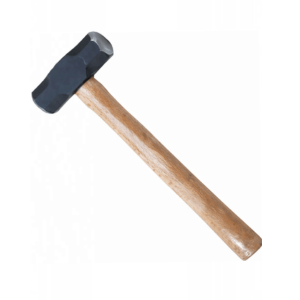
There are different hammer types designed for specific applications. Claw hammers are widely used for driving and removing nails, ball peen hammers are mainly used in metalworking for shaping and riveting, and sledgehammers are built for heavy impact tasks such as breaking concrete or demolition work. Weight balance and handle strength directly influence impact efficiency and user safety. Fiberglass handles help absorb shock and reduce vibration, while wooden handles provide a traditional grip and better control. Regular inspection of the hammer head attachment ensures safe operation and prevents workplace accidents.
Must-Have Tools for Automotive Repair Workshops
Automotive repair requires precision tools that can withstand high torque, repetitive usage, and demanding workshop conditions. Essential automotive tools include ratchets, sockets, torque wrenches, pliers, screwdrivers, and breaker bars. Each tool plays a critical role in ensuring accurate fastening, safe disassembly, and efficient vehicle maintenance. Using the right automotive tools not only improves repair speed but also enhances technician safety and overall job quality.
Automotive tools for mechanics are often manufactured with chrome plating to resist corrosion caused by oil, grease, moisture, and harsh chemicals commonly found in garages. Properly organized tool storage systems help prevent damage and improve workflow efficiency. Regular calibration of torque wrenches ensures precise tightening according to manufacturer specifications. Many professional tool suppliers also operate as a worldwide exporter, delivering OEM-level automotive tools to distributors, workshops, and industrial buyers across global markets.
Core Woodworking Tools Every Carpenter Should Own
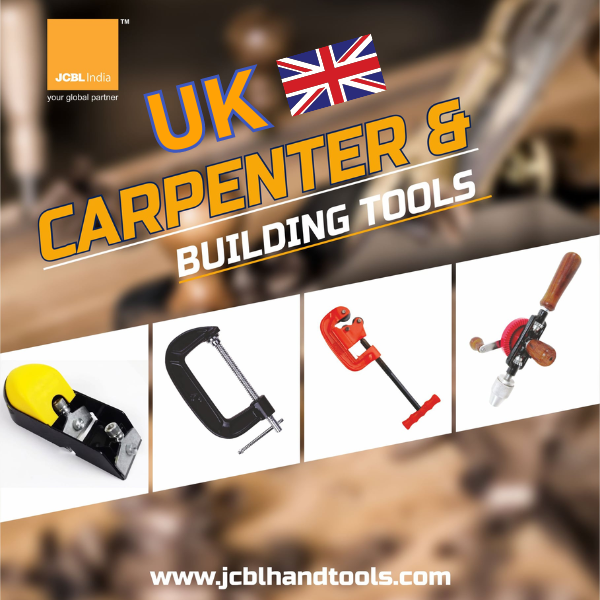
Carpentry requires a high level of accuracy and sharp cutting edges to achieve clean joints and professional finishing. Essential woodworking tools for carpenters include chisels, hand saws, planes, measuring tapes, squares, and clamps. Each of these tools plays an important role in measuring, cutting, shaping, and assembling wooden structures with precision. Sharp blades are especially critical for smooth finishing and precise cuts, helping reduce material waste and improve overall workmanship quality.
Regular sharpening of chisels and saws ensures clean, smooth edges and maintains cutting efficiency over time. Proper care of wooden handles is equally important, as exposure to moisture can cause swelling or cracking. Professional carpenters often prefer hardened alloy steel blades because they offer superior strength, edge retention, and long-lasting performance in demanding workshop conditions.
How to Select the Correct Spanner Size for Accuracy
A proper guide for spanner sizes is essential for anyone working with nuts and bolts in mechanical, automotive, or industrial applications. Understanding how spanner measurements work helps in selecting the correct size for both metric and imperial fasteners, ensuring a secure and accurate fit. Using the right size prevents slipping, protects bolt edges from rounding, and improves overall torque efficiency.
When the wrong spanner is used, it can damage hardware and reduce work efficiency. By following a clear guide for spanner selection, users can improve safety, maintain tool performance, and reduce unnecessary maintenance costs over time.
Functional Categories of Hand Tools Explained
Hand tools are generally classified into cutting tools, gripping tools, striking tools, measuring tools, and fastening tools based on their primary function. This systematic classification makes it easier to select the right tool for a specific task and helps improve efficiency in workshops and industrial environments. Organized categorization also simplifies inventory management, procurement planning, and storage arrangements.
Manufacturers that operate as a worldwide exporter often structure their product range into clear categories to support global buyers and distributors. Well-defined classifications help international customers quickly identify required tools, compare specifications, and streamline bulk purchasing decisions across different markets.
Comparing Tool Materials: Alloy Steel vs Carbon Steel
Material quality plays a major role in determining a tool’s strength, flexibility, corrosion resistance, and overall durability. The choice of steel directly affects how well a tool performs under pressure and how long it lasts in demanding conditions. Chrome vanadium alloy steel is widely preferred for its higher tensile strength, excellent toughness, and superior resistance to rust. Carbon steel, on the other hand, offers reliable and cost-effective durability that is suitable for general-purpose applications.
When comparing Chrome Vanadium vs Carbon Steel, the difference often comes down to performance requirements and working conditions. In addition to material type, heat treatment processes such as quenching and tempering significantly enhance hardness and mechanical strength. Proper material selection is especially important for heavy-duty industrial applications and export-grade tools, where consistent performance and long service life are critical.
Differences Between Pry Tools Used in Heavy-Duty Tasks
Pry tools such as crowbars and pry bars are commonly used for lifting, demolition, positioning, and alignment tasks in construction and industrial settings. Although they may appear similar at first glance, their shapes, tip designs, and leverage angles differ significantly, which affects how force is applied during use. Selecting the correct pry tool improves control, efficiency, and safety during heavy-duty operations.
These tools must be forged from high-strength steel and properly tempered to withstand extreme pressure without bending or structural failure. Strong material composition and precise heat treatment ensure durability, especially when working on demanding demolition or prying applications.
Strength, Manufacturing Standards, and Global Supply Capabilities
Tool strength depends on quality raw materials, precise forging, and proper heat treatment. These processes improve durability, hardness, and resistance to heavy impact. Today, hand tools manufacturers in India follow strict quality checks such as hardness testing and corrosion resistance testing to ensure reliable performance.
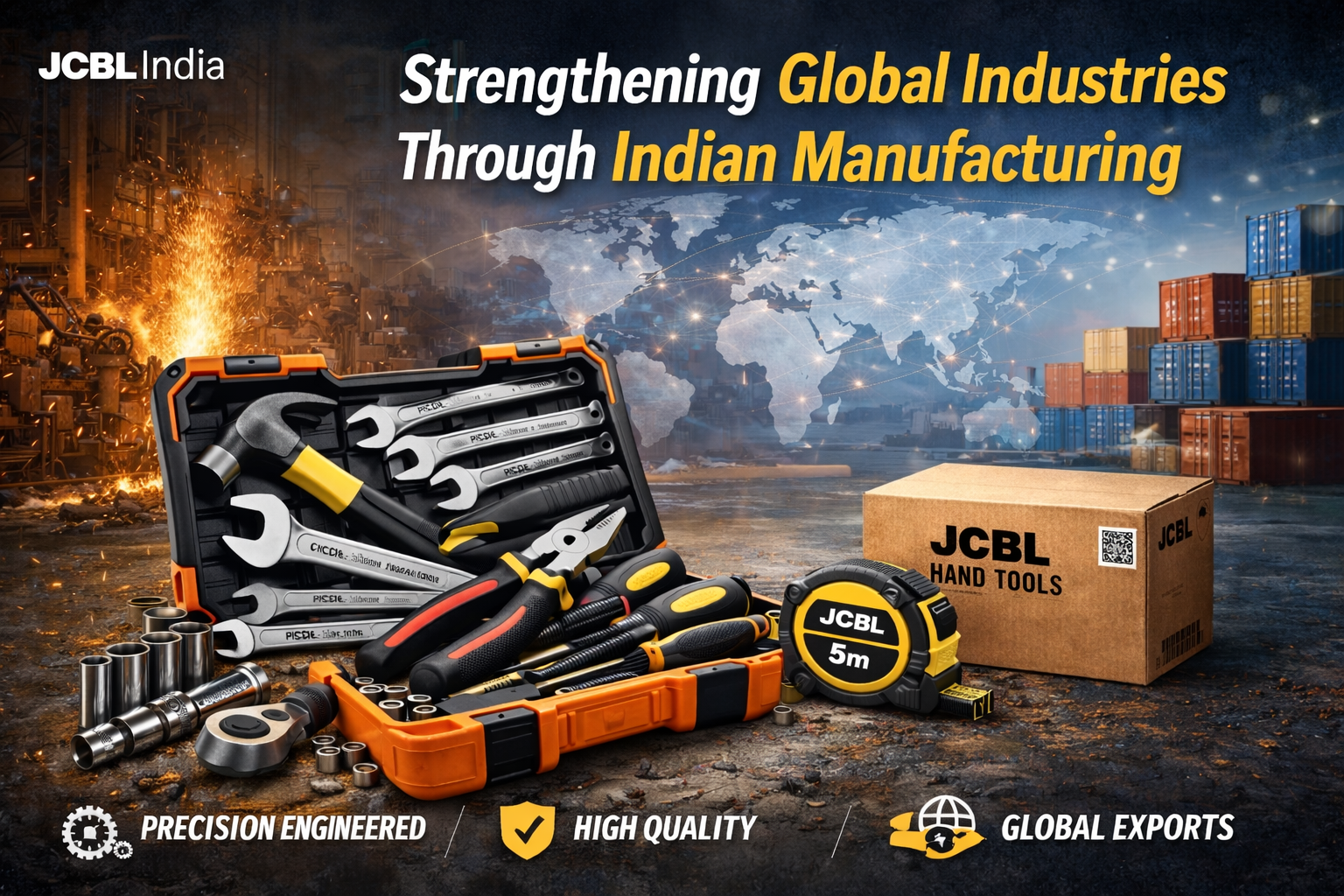
India is recognized as a strong worldwide exporter, supplying durable and competitively priced tools to global construction, automotive, and industrial markets with consistent quality standards and large-scale production capacity.
Maintenance Practices to Maximize Tool Lifespan
Regular cleaning removes dirt and moisture that can cause rust. Apply light oil to metal parts and store tools in a dry place. Avoid overloading tools beyond their intended use and inspect them regularly for wear or damage. Proper maintenance ensures long-lasting performance and safety.
Frequently Asked Questions
What are the most commonly used hand tools worldwide?
Spanners, pliers, hammers, screwdrivers, chisels, and measuring tools are widely used across industries, including construction, automotive repair, agriculture, and woodworking.Which material is best for heavy-duty hand tools?
Chrome vanadium alloy steel is preferred for high strength and corrosion resistance, especially for industrial applications.How can I prevent rust on tools?
Clean tools after use, dry them completely, apply a light oil coating, and store them in moisture-free environments.Why is the correct tool size important?
Correct sizing prevents fastener damage, improves torque efficiency, and enhances workplace safety.Are Indian manufactured tools suitable for global markets?
Yes. Many manufacturers operate as worldwide exporters and comply with international quality standards to supply tools to global markets.How often should tools be inspected?
Tools should be inspected regularly, especially after heavy usage, to identify wear, cracks, or loose components.
Conclusion
Hand tools remain essential across every major industry. Understanding their types, material composition, proper sizing, and maintenance practices ensures better performance and long-term durability.
With advanced manufacturing techniques, strict quality control, and strong global distribution networks, India continues to strengthen its position as a reliable worldwide exporter of industrial hand tools. Choosing high-quality tools and maintaining them properly ensures safety, efficiency, and long-term value for professionals and businesses around the world.



Write a comment ...